
The history of the early internet is basically a nostalgic reminisce—things like the sound of dial-up, message boards, and the thrill of hooking up to a quickly expanding digital world. But what was behind that nostalgia were sizable cultural shifts that had a mighty impact on how new communities came to be online, their structures, and interactions, and in the end, how they changed. This undertaking investigates the most significant one of the late internet transitions in US culture: the climb of America Online (AOL) and the phenomenon called Eternal September.
A big part of this resource is a description of the Net before AOL took over the market in a spectacular way, how AOL gave online access to a great number of people practically overnight, in the 90s, and how the sudden influx of new users transformed digital communities like Usenet. This project endeavors to map the changes in online etiquette as well as the instances when the collapse of such etiquette happened due to the internet becoming a common thing. This was done through a combination of research on digitized historical documents as well as scholarly works. Ultimately, you will understand how the 1993 event still influences online culture, community behavior, and digital platforms.
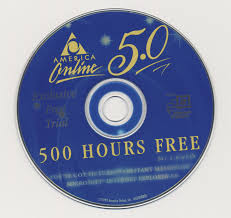
Mid-90s America Online was probably the biggest thing to happen to the internet since the internet. By making sign-up quick and simple, software user-friendly, and blasting out free trial CDs by the million almost everybody could get online suddenly. AOL was the first real attempt at the mass market, hitherto consisted of only academics, hobbyists, and early computer enthusiasts. Mainly and for the first time, millions of ordinary families, students, and casual users were able to connect to the internet with a few clicks.
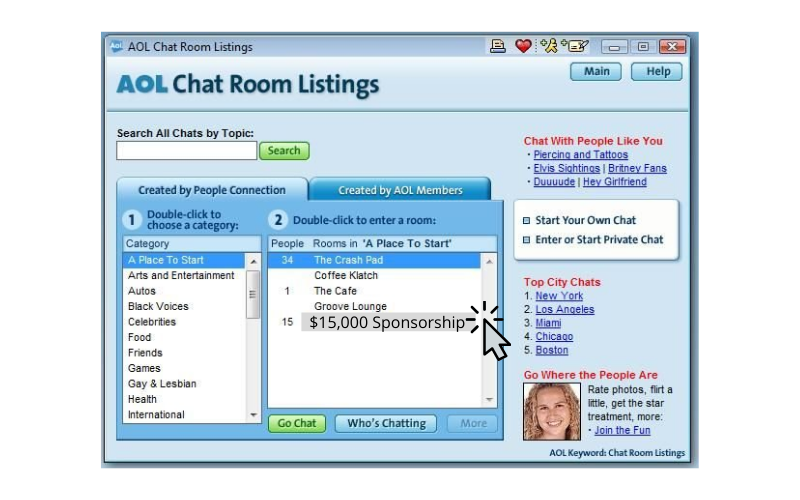
This influx of new users was the direct cause of Eternal September, a phrase referring to the time when traditional online communities, especially Usenet, became overwhelmed permanently by new users who did not know established norms, etiquette, and expectations. Until then, veteran users were used to the manageable wave of college freshmen each September onboarding. However, AOL’s arrival meant that the “September flood” was going on indefinitely—new users were constantly coming in, which has, in fact, reshaped the culture of the internet.
The time is pivotal to the contemporary internet as it demonstrates the conflicts that digital spaces experience when they grow exponentially. Problems such as norm clashes, content moderation, gatekeeping, and the fight for community identity can all be traced back to this time. A lot of the issues that we find today—on social media platforms, forums, Discord servers, and other online networks—are very similar to Eternal September. This moment in time opens the way to the understanding of how the internet transitioned from small, self-regulated communities to the vast, global, and often chaotic digital environment we have today.